Green Pastures Kiddies Foundation Calls for Stronger Systems as Child Impact Summit Unites Stakeholders on Better Outcomes for Nigerian Children

Stakeholders across education, healthcare, technology, vocational development and child welfare have called for stronger collaboration and more connected systems to improve outcomes for children in Nigeria.
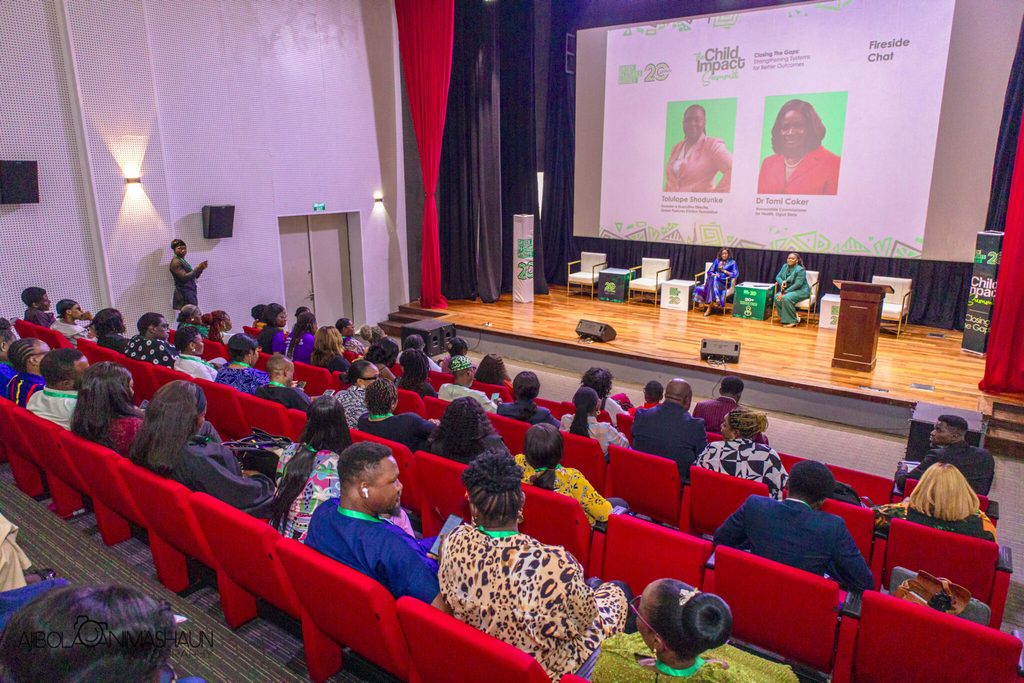
The call was made at the inaugural Child Impact Summit 2026, organised by Green Pastures Kiddies Foundation (GPK) as part of activities marking the organisation’s 20th anniversary.
Held on July 9 in Lagos, the summit, themed “Closing the Gaps: Strengthening Systems for Better Outcomes,” brought together educators, policymakers, development practitioners, private-sector leaders and child-focused organisations to examine the structures surrounding Nigerian children and identify practical ways to make those systems work better together.
Rather than focusing on children’s challenges in isolation, discussions at the summit explored how education, healthcare, nutrition, technology, skills development and family support are interconnected in determining a child’s opportunities and long-term outcomes.

Delivering the keynote address, Prof. Akin Akinpelu, Founder and CEO of Akin Akinpelu Learning and Development, urged stakeholders to adopt a systems-thinking approach to social challenges.
He explained that sustainable change must go beyond changing individual behaviour to also address the structures and mental models that shape that behaviour.
“A child does not become disadvantaged because of a lack of potential but because the systems surrounding that child fail to work together,” he said.
The summit also examined the changing realities of education, particularly the need for teachers and schools to adapt to emerging technologies and artificial intelligence while ensuring that curricula remain relevant to the needs of today’s children and tomorrow’s workforce.
Speaking during a fireside chat, Dr. Tomi Coker, Ogun State Commissioner for Health, emphasised that improving outcomes for children must begin long before they enter the classroom.
She highlighted the relationship between maternal health, nutrition, healthcare and educational outcomes, calling for coordinated interventions across sectors.
“Government cannot do it alone,” she said, while encouraging stronger collaboration among government, development partners, healthcare professionals, educators, the private sector and communities.
One of the major highlights of the summit was the launch of GPK Academy, a vocational skills hub created by Green Pastures Kiddies Foundation to provide children in underserved communities with alternative pathways to learning and economic opportunity.
The Academy is designed to support children who may not thrive within the conventional education system or who have an interest in acquiring practical, marketable skills.
The initiative reflects GPK’s broader belief that every child should have access to a pathway that allows them to discover their potential, develop relevant skills and build a productive future.
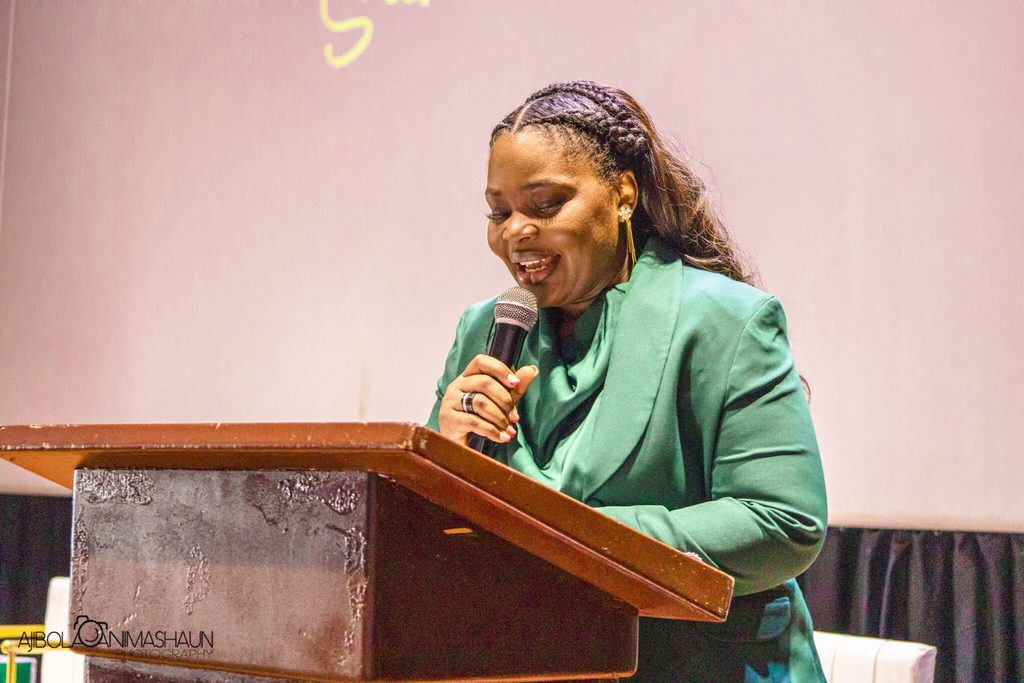
Speaking on the Foundation’s 20-year journey, Tolulope Shodunke, Founder and Executive Director of Green Pastures Kiddies Foundation, reflected on the lessons that have shaped the organisation’s work since its establishment.
Shodunke founded the Foundation at the age of 23 after redirecting her school fees towards supporting disadvantaged children when she was unable to secure institutional backing for the work she wanted to undertake. Two decades later, the organisation continues to work around the welfare, education and development of children in underserved communities.
She noted that years of working directly with children and families had revealed a recurring problem: many children are not held back by a lack of ability, but by gaps in the systems around them.
“Extraordinary work done in isolation can only take us so far. The future of our children depends on stronger partnerships, better coordination and systems that work together instead of alongside one another,” Shodunke said.
Other speakers at the summit included Johnson Abbaly, Founder of The Smartan House; Mrs. Folasade O. Adefisayo, Principal Consultant and CEO of Leading Learning Ltd.; Molade Adeniyi, CEO of Teach For Nigeria; Lanre Basamta, CEO and Co-founder of Optimus AI Labs; Johnson Ajayi, Founder of Mindcraft Coaching Foundation; Caroline Popoola, Founder and CEO of Alpha Chains Limited and Alpha Childcare Limited; Moronke Azeez, Executive Secretary of the Lagos State Technical and Vocational Education Board; Dr. Joy Isa, Director of Marketing and Admissions at Rugby School Nigeria; Abiodun Owo, Seasoned Programs Manager; Damilola Feyide, Founder and CEO of Let It Shine Academy; and Olufunmilola Oyetunji, Special Needs Educator and Inclusive Education Consultant with the Lagos State Universal Basic Education Board.
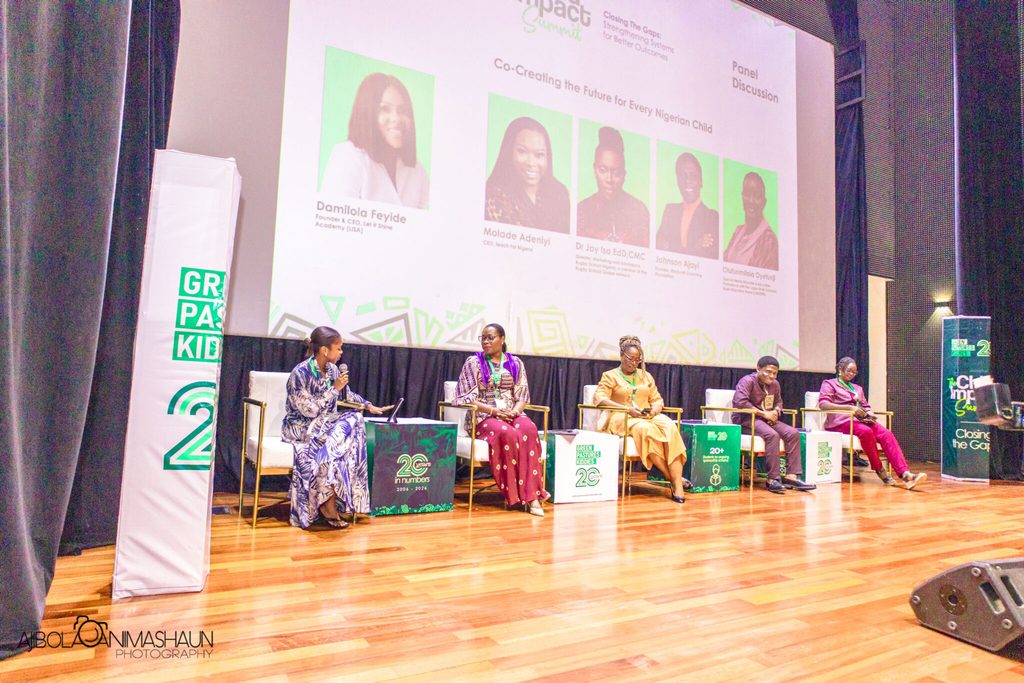
The discussions produced several recommendations, including continuous teacher retraining, curriculum reform, stronger investment in maternal health and nutrition, greater adoption of relevant technology in education, and expanded support for vocational and alternative learning pathways.
The stakeholders also stressed the importance of early childhood development, with Caroline Popoola highlighting the first five years of a child’s life as a critical foundation for future educational, social and economic outcomes.
For Green Pastures Kiddies Foundation, the Child Impact Summit represents more than a 20th-anniversary milestone. It is part of a renewed effort to bring different actors into the same conversation and encourage practical partnerships around the issues that determine whether children are able to learn, thrive and reach their potential.
As the Foundation enters its third decade, it says it will continue building partnerships and expanding initiatives such as GPK Academy to create more pathways for children who are underserved by existing systems.
The summit ultimately reinforced one central message: improving outcomes for Nigerian children cannot be the responsibility of one institution or one sector. It requires systems that connect, institutions that collaborate and stakeholders willing to build solutions together.