WAAW Foundation’s FCT STEM Baseline Assessment Highlights Gaps in Girls’ Access to Exposure and Resources
Girls in some communities across the Federal Capital Territory are facing significant differences in their access to STEM exposure, practical learning resources and opportunities to explore science and technology careers, findings from a recent WAAW Foundation baseline assessment have shown.
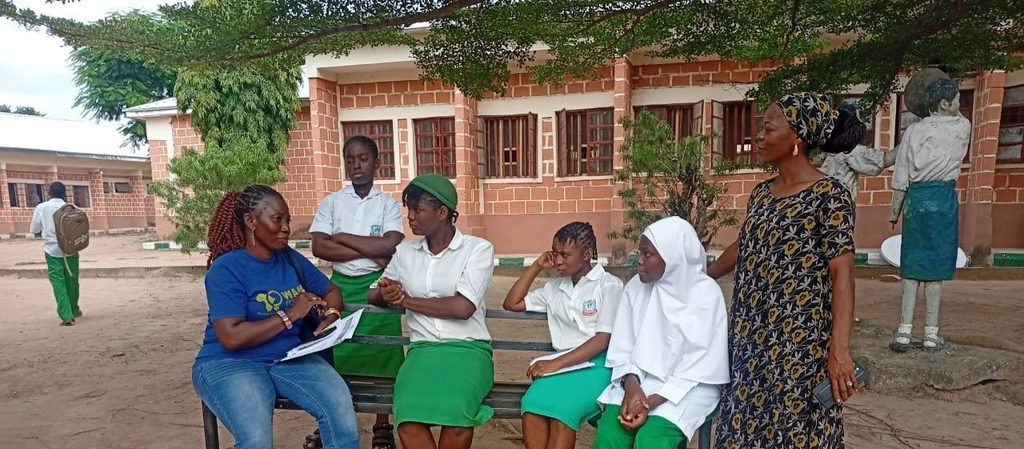
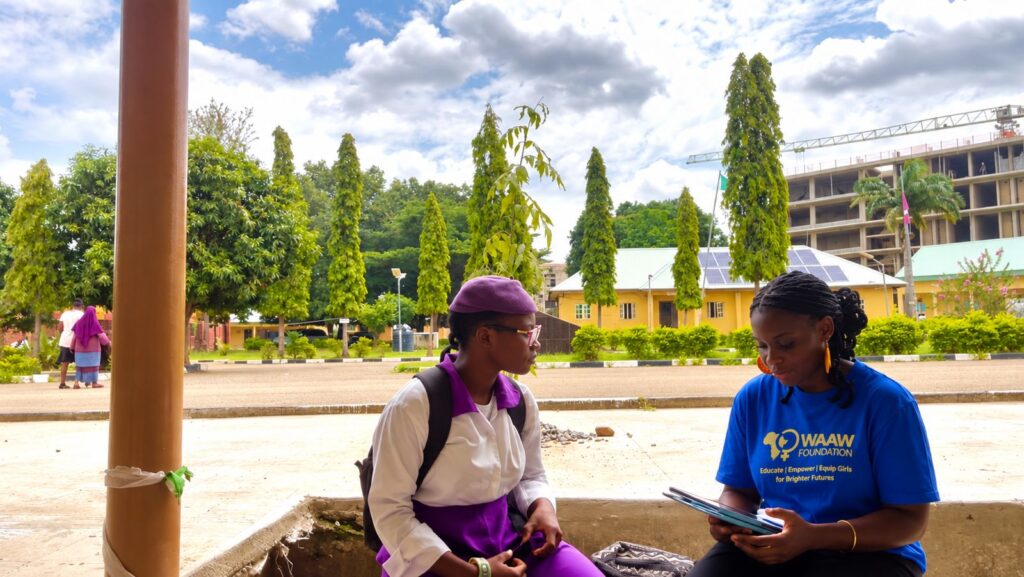
The assessment, conducted from July 6 to 10, 2026, covered 10 public secondary schools across all six FCT Area Councils as part of WAAW Foundation’s ongoing advocacy project on science and technology education for girls and female teachers in underserved communities.
The exercise engaged female students in SS1–SS3, science educators and laboratory technicians, alongside direct assessments of school laboratory facilities. It examined girls’ STEM awareness and aspirations, access to exposure and opportunities, teacher capacity, and the availability and readiness of practical learning infrastructure.
Among the issues emerging from the assessment is what WAAW Foundation describes as a “Rural Access Chasm.” The assessment found that more remote Area Councils, particularly Abaji and Kwali, appeared to receive fewer nonprofit and public-private interventions, with transportation and logistical barriers contributing to differences in students’ exposure to STEM opportunities.
The assessment also found indications that exposure plays a role in how girls see their STEM futures.
Girls in schools with active STEM clubs, mentorship programmes or previous external STEM opportunities demonstrated clearer awareness of potential STEM career pathways. In schools with less exposure, awareness of STEM careers was more limited.
For WAAW Foundation, the finding reinforces the importance of looking beyond classroom instruction when considering girls’ participation in STEM.
The assessment also highlighted differences in the availability of practical learning resources. Working laboratories were observed mainly in schools that had benefited from donor or private-sector interventions, while schools facing shortages of equipment, reagents or reliable electricity often depended on teachers’ ingenuity to facilitate practical science learning.
Educators in these schools also identified the need for stronger practical STEM capacity-building to support hands-on learning.
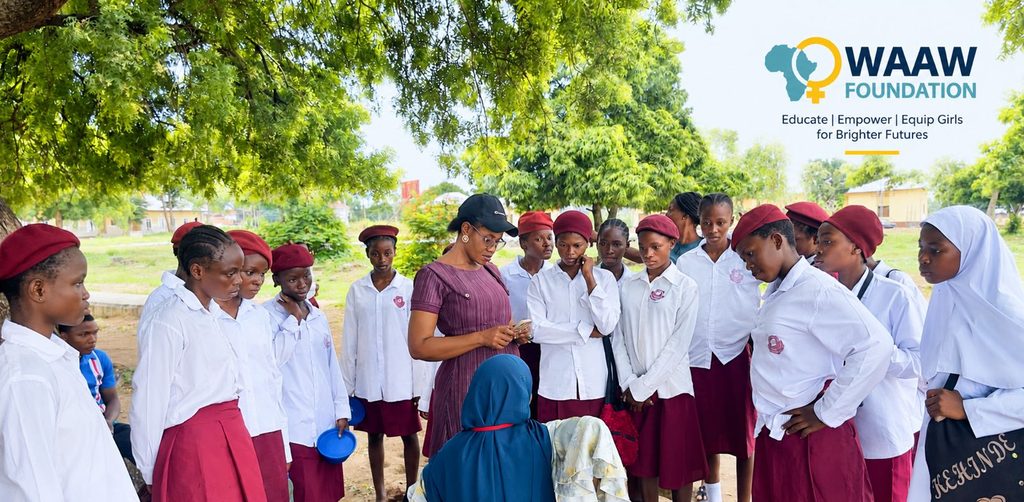
The assessment covered schools in AMAC, Bwari, Gwagwalada, Kuje, Kwali and Abaji. The schools reached included GSS Wuse and Model Secondary School Maitama in AMAC; GSS Kubwa and Government Girls Secondary School Dutse in Bwari; GSS Gwagwalada, Government Science Secondary School Tungan Maje and School for the Gifted Gwagwalada; GSS Kuje; GSS Kwali; and GSS Yaba in Abaji.
The findings will now provide evidence for the next phase of WAAW Foundation’s advocacy, including engagement with civil society organisations and other stakeholders around the challenges affecting girls’ participation in science and technology education.
The project is expected to bring together a coalition of STEM-focused CSOs and NGOs to develop a consensus Advocacy Communique containing actionable, gender-inclusive recommendations for the FCT.
The evidence generated from the baseline will also contribute to WAAW Foundation’s broader policy advocacy towards a strategic Science and Technology Implementation Roadmap for the FCT. The proposed roadmap is intended to translate the national policy for science and technology education guidelines into coordinated, actionable and gender-inclusive programmes across the FCT’s rural and suburban Area Councils, with an action plan incorporated into the department’s annual budget cycle.
Speaking on the assessment, Wuraola Kayode, Programs Manager, WAAW Foundation, said:
“The baseline gives us an opportunity to listen before we advocate. We need to understand the realities in these schools and communities, what girls aspire to, what teachers are working with and where the most significant gaps are. This evidence will help us move the conversation from assumptions to solutions that respond to what is actually happening on the ground.”
Wuraola also acknowledged the support and participation of the FCT Secondary Education Board, participating schools, educators, students and other stakeholders who contributed to the successful conduct of the assessment.
With the baseline now completed, WAAW Foundation is moving into the next stage of the advocacy process, using evidence from schools and communities to inform stakeholder engagement and the development of recommendations for strengthening STEM education for girls across the FCT.
The assessment therefore marks a shift in the project, from identifying the need for change to building the evidence and partnerships needed to advocate for it.