Women-Led Newsrooms in the Global South Are Redefining Whose Stories Get Told
Across the Global South, a new generation of women journalists is building independent media platforms to cover stories that traditional newsrooms often overlook. From reporting on disability rights in Nigeria to challenging gender stereotypes in Brazil, these media organisations are changing not only who gets heard, but also how journalism serves its audiences.
The challenge is longstanding. Women remain underrepresented as sources and subjects in news coverage, while issues affecting women and girls are frequently pushed aside or treated as secondary. For journalists who want to change that pattern, building independent newsrooms has become a way to create space for more inclusive reporting.
A report by the Reuters Institute for the Study of Journalism highlights the experiences of four women-led or feminist media organisations in Brazil, Uganda, Nigeria and Nepal. Despite differences in their audiences and operating environments, they share a common ambition: to make journalism more representative, relevant and responsive to the communities it serves.
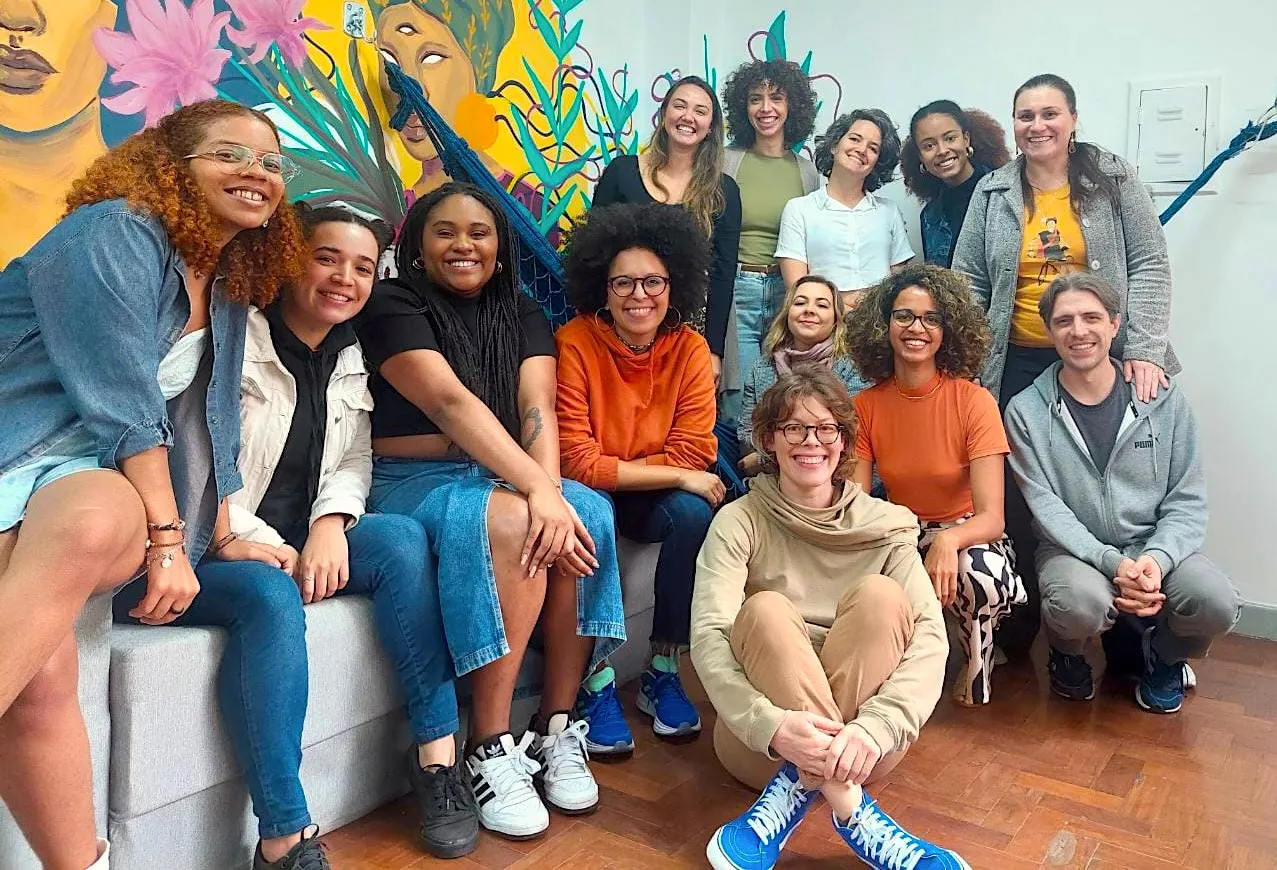
In Brazil, digital feminist newsroom AzMina was established in 2015 by journalists who wanted to move beyond conventional coverage of women’s issues. The organisation combines investigative reporting with practical, solutions-focused journalism, producing stories that help women understand their rights and navigate issues such as reproductive health and gender-based violence.
Its approach goes beyond reporting on women as victims. AzMina seeks to examine the systems and social attitudes shaping their lives, while creating opportunities for women to recognise themselves and their experiences in the news.
In Uganda, HerStory was launched by broadcast journalist Culton Scovia to address the limited attention given to women’s experiences in mainstream media. The platform seeks to broaden coverage of women’s issues and challenge stereotypes by giving these stories greater visibility.
Scovia has argued that the problem is not a lack of women with expertise or experiences worth sharing, but the failure of newsrooms to seek them out and include their perspectives in reporting.
Nigeria’s BONews Service, founded by Blessing Oladunjoye in 2018, focuses on issues affecting children and people with disabilities. Its work illustrates how independent journalism can bring attention to communities that are often overlooked in mainstream coverage. Through collaboration with advocacy organisations, BONews has built pathways for amplifying the experiences and concerns of women and other underrepresented groups.
In Nepal, feminist platform Boju Bajai began as a podcast in 2016, created by journalists Bhrikuti Rai and poet Itisha Giri. Their early conversations addressed subjects such as sexual assault, online harassment and the censorship of women. The platform has since expanded into reported stories, newsletters and other formats, using a feminist perspective to examine issues across society.
Together, these organisations demonstrate that women-led journalism does not have to be confined to stories traditionally categorised as women’s issues. Their reporting covers health, politics, business, migration, climate and social structures, while examining how these subjects affect people differently across gender and social circumstances.
Their work also challenges the assumption that feminist journalism serves only a narrow audience. AzMina has reached readers beyond women, while Boju Bajai has built an online community around conversations that might otherwise receive little attention. By experimenting with podcasts, newsletters, documentaries, live events and digital storytelling, the newsrooms are reaching audiences through formats that complement conventional news coverage.
However, building independent media comes with significant challenges. Funding remains a persistent concern, with organisations relying on a combination of grants, donations, partnerships, training and other income-generating activities. For smaller newsrooms, limited resources can restrict the frequency of publication, investigative capacity and ability to expand their reach.
Safety is another concern. AzMina has faced cyberattacks, online harassment and the publication of private information about its staff. Other journalists have encountered criticism and hostility for reporting on feminism or challenging powerful institutions. These experiences underline the need for stronger digital security, supportive newsroom cultures and sustainable resources for journalists working on sensitive subjects.
Despite these obstacles, the organisations are finding ways to strengthen their work. Some collaborate with advocacy groups and other media outlets to reach new audiences, while others diversify their products and services to reduce dependence on a single source of funding. Their experiences suggest that sustainability requires not only financial support but also strong relationships with the communities they serve.
The broader significance extends beyond the survival of individual newsrooms. Journalism influences which issues receive public attention, whose expertise is recognised and which experiences inform public debate. When women and marginalised communities are consistently absent from reporting, the public receives an incomplete picture of society.
By creating independent platforms and changing editorial priorities, these women-led newsrooms are helping widen that picture. Their work demonstrates that more inclusive journalism is not simply about increasing the number of women in newsrooms; it is also about changing the questions journalists ask, the people they consult and the experiences they consider newsworthy.
Their continued growth will depend on the ability to secure funding, protect journalists and build audiences without losing the editorial purpose that brought them into existence. But their example offers an important lesson for media organisations everywhere: journalism becomes more useful when more people can see their lives, concerns and possibilities reflected in the stories it tells.