Menstrual Hygiene Advocates Promote Menstrual Cups as Sustainable Solution to Period Poverty
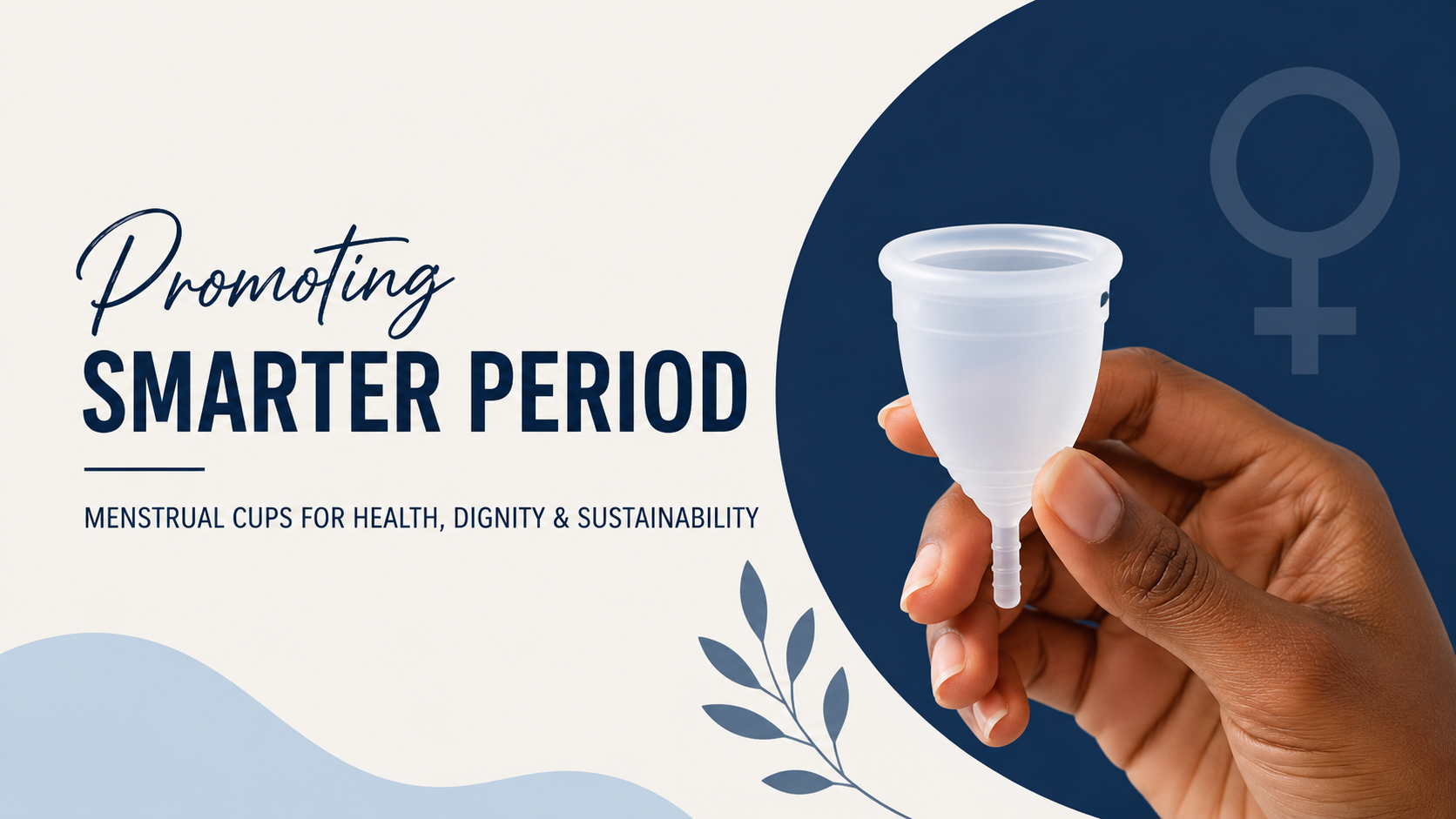
Women and girls have been encouraged to embrace the use of menstrual cups as a safe, affordable, and sustainable menstrual hygiene solution capable of improving menstrual health management and reducing period poverty.
The call was made during a menstrual hygiene awareness campaign focused on promoting healthier and environmentally friendly menstrual care practices among adolescent girls and women. Organisers noted that while conversations around menstrual health are gradually becoming more open, many women and girls still struggle with limited access to affordable menstrual products, misinformation, and stigma surrounding menstruation.
According to health advocates at the event, menstrual cups offer a long-term solution because they are reusable, cost-effective, and environmentally sustainable. Unlike disposable sanitary products that require constant replacement, menstrual cups can last for several years when properly used and maintained, making them particularly beneficial for girls and women in low-income communities.
Speakers also highlighted the growing concern around period poverty in Nigeria, noting that many girls continue to miss school or resort to unsafe alternatives during menstruation because they cannot afford sanitary products regularly. They stressed that introducing reusable menstrual products could help improve school attendance, confidence, and overall wellbeing among girls.
Participants at the campaign received practical education on menstrual cup usage, proper hygiene practices, cleaning methods, and menstrual health management. Demonstrations and interactive conversations were also held to address fears, myths, and misconceptions surrounding menstrual cups and reproductive health.
Health professionals at the event explained that menstrual cups, which are typically made from medical-grade silicone, are considered safe when used correctly and can support better menstrual hygiene outcomes for women and girls. They further emphasized the need for open conversations around menstruation, noting that silence and stigma continue to prevent many girls from accessing accurate information and support.
The advocates called on schools, governments, healthcare providers, and development organisations to increase investment in menstrual health education and ensure wider access to safe menstrual products and support systems for girls and women.
They maintained that menstrual health is closely connected to education, dignity, health, and economic participation, stressing that no girl should be limited or excluded because of her period.