PEWDI Calls for Stronger Government-NGO Collaboration to Expand Women’s Economic Empowerment
As economic pressures continue to place greater strain on households across Nigeria, empowering women with practical skills and sustainable sources of income has become increasingly important. Beyond improving individual livelihoods, advocates say women’s economic empowerment is critical to reducing poverty, strengthening families, and driving national development.
It is against this backdrop that the Peace and Environmental Welfare Development Initiative (PEWDI) has called for stronger collaboration between governments and non-governmental organisations to expand access to vocational training, entrepreneurship support, and economic empowerment opportunities for women across the country.
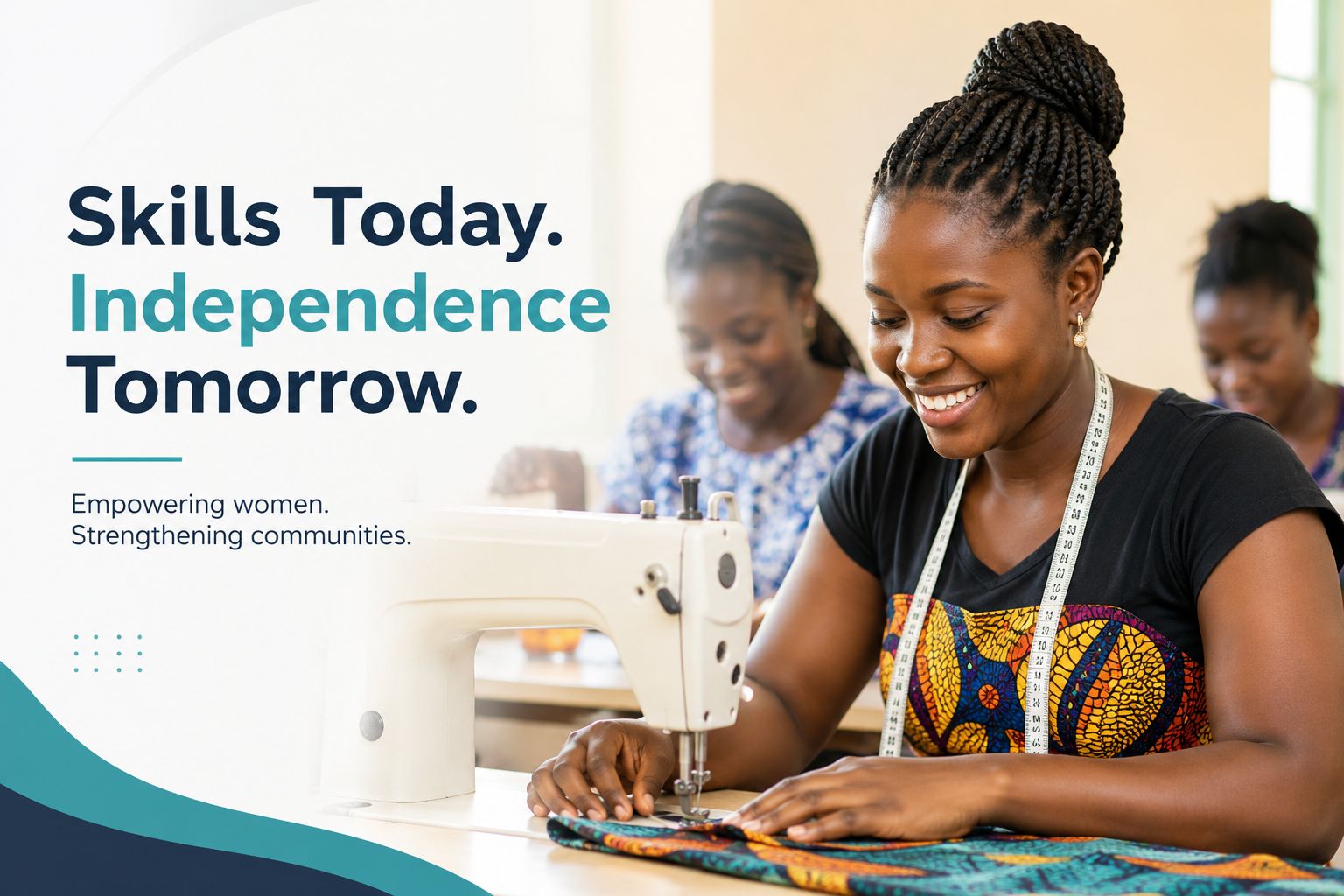
The organisation made the call during its vocational and entrepreneurial skills acquisition programme held in Abuja, where women from communities across the Federal Capital Territory received practical training designed to equip them with income-generating skills and prepare them for financial independence.
Speaking at the programme, President of PEWDI, Pastor Mrs. Rejoice Ehijie, said the initiative was conceived to help women become economically independent by equipping them with practical skills they can use to support their families and contribute meaningfully to society.
She encouraged participants to recognise the value of the knowledge, qualifications, and talents they already possess, urging them to turn those abilities into sustainable sources of income rather than waiting for ideal circumstances.
“Every woman has something useful in her hands. Whether it is a certificate you have earned or a skill you have learned, do not allow it to lie dormant. Put it to work. Your knowledge and skills are tools for survival, financial independence, and building a better future for your family,” she said.
According to Ehijie, empowering women economically goes beyond increasing household income. She noted that financially empowered women strengthen families, improve children’s wellbeing, stimulate entrepreneurship, and contribute to broader economic growth.
Delivering the keynote address, Mrs. Promise Tochi Ogbonnaya called on governments at all levels to deepen partnerships with non-governmental organisations, describing civil society groups as vital partners in delivering grassroots empowerment programmes and expanding access to skills development.
She said increased collaboration would enable more organisations to reach vulnerable women and young people with vocational training and entrepreneurship programmes capable of creating jobs, reducing poverty, and expanding Nigeria’s productive workforce.
According to her, when more Nigerians are equipped with practical skills and supported to build sustainable livelihoods, they contribute more meaningfully to national development through enterprise creation, employment generation, and increased economic participation.
Also speaking at the programme, Dr. Mrs. Atinuke Fasogbon urged participants to embrace financial discipline by investing in productive ventures rather than spending excessively on non-essential items.
She encouraged women to cultivate a culture of saving and strategic investment, noting that responsible financial management remains essential for building long-term wealth and achieving economic security.
Participants described the training as both timely and impactful, saying it had broadened their entrepreneurial knowledge while equipping them with practical skills they could immediately apply to improve their livelihoods.
Speaking on behalf of the beneficiaries, Mrs. Patience Auta appealed to governments, corporate organisations, development partners, and well-meaning Nigerians to support and expand similar empowerment initiatives, describing them as essential to reducing poverty, promoting entrepreneurship, and improving women’s economic independence, particularly among full-time housewives.
For PEWDI, the programme reflects a broader commitment to creating opportunities that enable women to become financially independent, build sustainable businesses, and contribute to the social and economic development of their families, communities, and the nation.