Beyond Awareness: Toyin Oni Foundation Champions Affordable Cancer Treatment and Early Detection in Lagos
The Toyin Oni Foundation has renewed its commitment to fighting cancer in Nigeria, calling for improved access to early screening, affordable treatment and stronger healthcare support for patients and survivors.
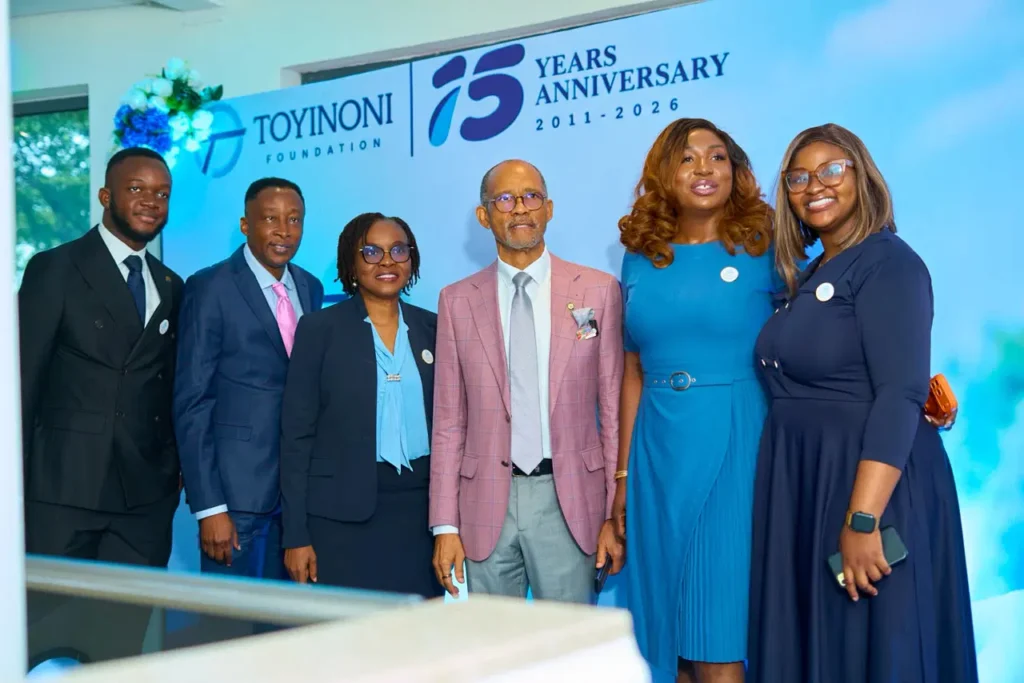
The call came as the foundation celebrated 15 years of cancer awareness and advocacy at an anniversary event held on October 15, 2026, at The Wheatbaker Hotel in Ikoyi, Lagos.
The event, themed “Beyond Awareness: Understanding Cancer From Prevention to Survivorship,” brought together healthcare professionals, government representatives and other stakeholders to discuss practical solutions to the challenges affecting cancer prevention, diagnosis and treatment in Nigeria.
Speaking at the event, the foundation’s Chairperson, Bukola Smith, emphasised the importance of moving beyond awareness campaigns to interventions that ensure people can access timely medical attention and appropriate treatment.
She highlighted early detection as a critical factor in improving survival outcomes, particularly for breast, cervical and prostate cancers, while expressing concern over the financial difficulties that prevent many Nigerians from accessing essential healthcare services.
For 15 years, the Toyin Oni Foundation has championed cancer awareness across communities in Lagos, reaching residents in Akoka, Yaba, Shomolu, Ebute-Metta, Surulere and Ogudu, alongside underserved rural communities where access to healthcare information and services remains limited.
Through its advocacy efforts, the foundation continues to promote public education, preventive healthcare and greater access to cancer screening.
Smith stressed that awareness alone cannot adequately address Nigeria’s cancer burden if individuals lack the financial resources to pursue diagnosis and treatment.
She called for stronger collaboration between government institutions, healthcare providers and civil society organisations to establish more accessible cancer care systems, particularly for vulnerable populations.
Beyond cancer screening and treatment, the foundation also advocated stronger food and drug safety regulations, urging the National Agency for Food and Drug Administration and Control (NAFDAC) and other relevant authorities to intensify efforts to protect public health.
The anniversary celebration also provided an opportunity for stakeholders to examine healthcare financing reforms aimed at reducing the financial burden of medical treatment.
Lagos State Commissioner for Health, Professor Akinola Abayomi, highlighted the state’s efforts to strengthen healthcare financing through expanded health insurance coverage and more sustainable payment systems.
The proposed approach seeks to reduce dependence on direct out-of-pocket payments, particularly for individuals requiring prolonged and specialised medical care.
At the federal level, a representative of the Ministry of Health also outlined plans to strengthen the implementation of the National Health Insurance Act and expand insurance participation across different income groups.
Delivering the keynote address, Dr Modupe Odunsi, Founder of the Mercelle-Ruth Cancer Centre, reinforced the importance of connecting cancer education with practical healthcare interventions.
She emphasised the need for systems that support patients throughout their cancer journey, from screening and diagnosis to treatment and recovery.
The foundation’s Convener, Akinola Oni, also encouraged greater participation from individuals, businesses and institutions in supporting cancer awareness, screening initiatives and assistance for patients facing financial challenges.
As the Toyin Oni Foundation marks 15 years of advocacy, its renewed commitment highlights the importance of building a healthcare system where early detection and access to treatment are not determined by financial circumstances.
The foundation’s work serves as a reminder that meaningful progress in cancer care requires more than public awareness. It demands sustained investment, accessible healthcare services, supportive policies and collective action to ensure that more Nigerians have a fighting chance against the disease.