Breaking the Silence: ÀLÁÁFÍÀ Initiative Takes Menstrual Health Campaign to Underserved Abuja Community
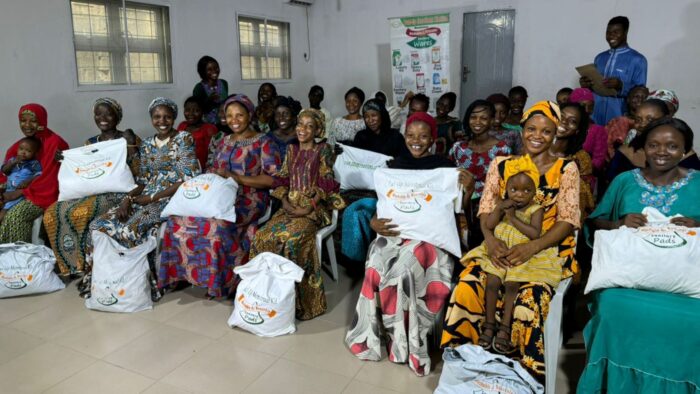
For many girls and women, menstruation remains more than a monthly biological experience. In communities where sanitary products are unaffordable and accurate information is limited, it can mean missed school days, embarrassment, poor hygiene and diminished confidence.
It was against this backdrop that the ÀLÁÁFÍÀ Initiative for Gender and Development partnered with Pad-Up Africa to take menstrual health education and advocacy directly to Karmo Village in Jiwa Chiefdom, Abuja.
The outreach, themed “Because Every Girl Deserves to Feel Confident, Every Day,” brought together 100 participants, comprising 80 women and 20 men, for discussions on menstrual hygiene, menstrual health and confidence during menstruation.
Speaking during the programme, Founder and Executive Director of the ÀLÁÁFÍÀ Initiative, Dr. Temilola George, called for stronger collaboration between government, civil society organisations, development partners and community leaders to tackle menstrual stigma and expand access to menstrual health information and affordable sanitary products.
According to George, the inability of many girls and women to afford menstrual products continues to affect their health, dignity, confidence and participation in everyday activities.
She explained that the newly established organisation was created to complement government efforts through community-based interventions designed to improve the lives of vulnerable populations, particularly women and girls.
“This is our first major project, and we intend to implement many more impactful programmes,” George said, stressing that government cannot address every social challenge alone.
She added that some girls continue to remain indoors during their periods because they fear staining their clothes, while others resort to rags or old pieces of cloth because they cannot afford sanitary pads.
George noted that increased awareness, access to affordable sanitary products and supportive communities could significantly improve menstrual hygiene and help girls navigate menstruation with greater confidence.
She therefore urged stakeholders to work collectively to ensure that every girl has access to reliable menstrual health information, affordable menstrual products and an environment free from shame and stigma.
Also speaking, Founder and Executive Director of Pad-Up Africa, Ashley Olachi Lori, linked inadequate menstrual health education, persistent cultural stigma and weak implementation of existing policies to some of the challenges confronting adolescent girls in Nigeria.
Lori stressed the importance of including men and boys in menstrual health conversations, noting that their participation is essential to challenging misconceptions and creating communities where girls and women can receive understanding and support.
She said the intervention was inspired by the realities of vulnerable girls who have limited access to sanitary products and basic information about their menstrual cycles.
According to Lori, some women and girls in the community had never used sanitary pads, while others used them without understanding their menstrual cycles.
She also raised concerns about teenage pregnancies, arguing that improved menstrual and reproductive health education can help young people better understand their bodies and make informed decisions. She maintained that the programme was not intended to encourage unsafe sexual behaviour, while emphasising abstinence as the safest option for preventing pregnancy.
The involvement of men and boys was deliberate, Lori explained, as the initiative sought to break the silence surrounding menstruation and help them understand the physical and emotional experiences associated with menstruation.
She identified cultural resistance and inadequate funding as some of the major barriers limiting menstrual health advocacy and called for greater investment in interventions targeting underserved communities.
The Village Head of Karmo Sabo, Jiwa Chiefdom, Chief Umar Sarki Gani, described the intervention as timely and impactful, noting that it provided women in the community with practical knowledge about menstrual hygiene and personal health.
He appealed to government and other stakeholders to provide financial and institutional support to organisations delivering health education and other interventions in underserved communities.
For participants, the programme provided an opportunity to replace misconceptions and silence with practical knowledge. One of the beneficiaries, Saidu Aisha, said the outreach improved participants’ understanding of menstrual hygiene and menstrual cycle management, while also emphasising the importance of seeking medical attention when experiencing severe menstrual pain.
The ÀLÁÁFÍÀ Initiative said the Karmo Village intervention represents the beginning of its broader commitment to community-based programmes that address gender-related challenges and improve the wellbeing of vulnerable populations.
As conversations around menstrual health continue, the organisation is calling for sustained collaboration to ensure that menstruation is no longer a source of shame, exclusion or preventable health challenges for girls and women.